Best Time to Visit Djibouti – Weather, Seasons & Events
The best time to visit Djibouti is from November to February, when temperatures drop to a pleasant 25-30°C (77-86°F) and humidity is low. This winter window offers ideal conditions for exploring the salt lakes, diving with whale sharks, and trekking the Day Forest National Park. Avoid June through September, when daytime highs regularly exceed 45°C (113°F) and outdoor activities become dangerous.
Djibouti sits at the junction of the Red Sea and the Gulf of Aden in the Horn of Africa. Despite its small size, the country has distinct climate zones – from the scorching Grand Bara Desert to the relatively cooler Goda Mountains. Planning your trip around the seasons makes a significant difference in what you can comfortably see and do.
Djibouti’s Climate at a Glance
Djibouti has a hot, arid desert climate (BWh under the Koppen classification) with minimal rainfall year-round. The country averages less than 130 mm (5 inches) of rain annually, mostly concentrated in two short rainy periods.
| Season | Months | Temperature (°C) | Humidity | Rain | Travel Rating |
|---|---|---|---|---|---|
| Cool Winter | Nov – Feb | 25-30°C | Low (40-50%) | Very little | Best |
| Hot Spring | Mar – May | 30-38°C | Moderate (50-60%) | Short showers (Apr-May) | Good |
| Extreme Summer | Jun – Sep | 40-48°C | High (60-70%) | None | Avoid |
| Transitional | Oct | 32-36°C | Moderate | Minimal | Fair |
Month-by-Month Weather Breakdown
November to February – Best Time to Visit
This is Djibouti’s “winter” and the prime travel season. Daytime temperatures hover around 25-30°C (77-86°F), with cooler nights dropping to 20-22°C (68-72°F). The low humidity makes every outdoor activity comfortable.
Key highlights:
– November-December: Whale shark season begins in the Gulf of Tadjoura – snorkeling with these gentle giants is one of Djibouti’s signature experiences
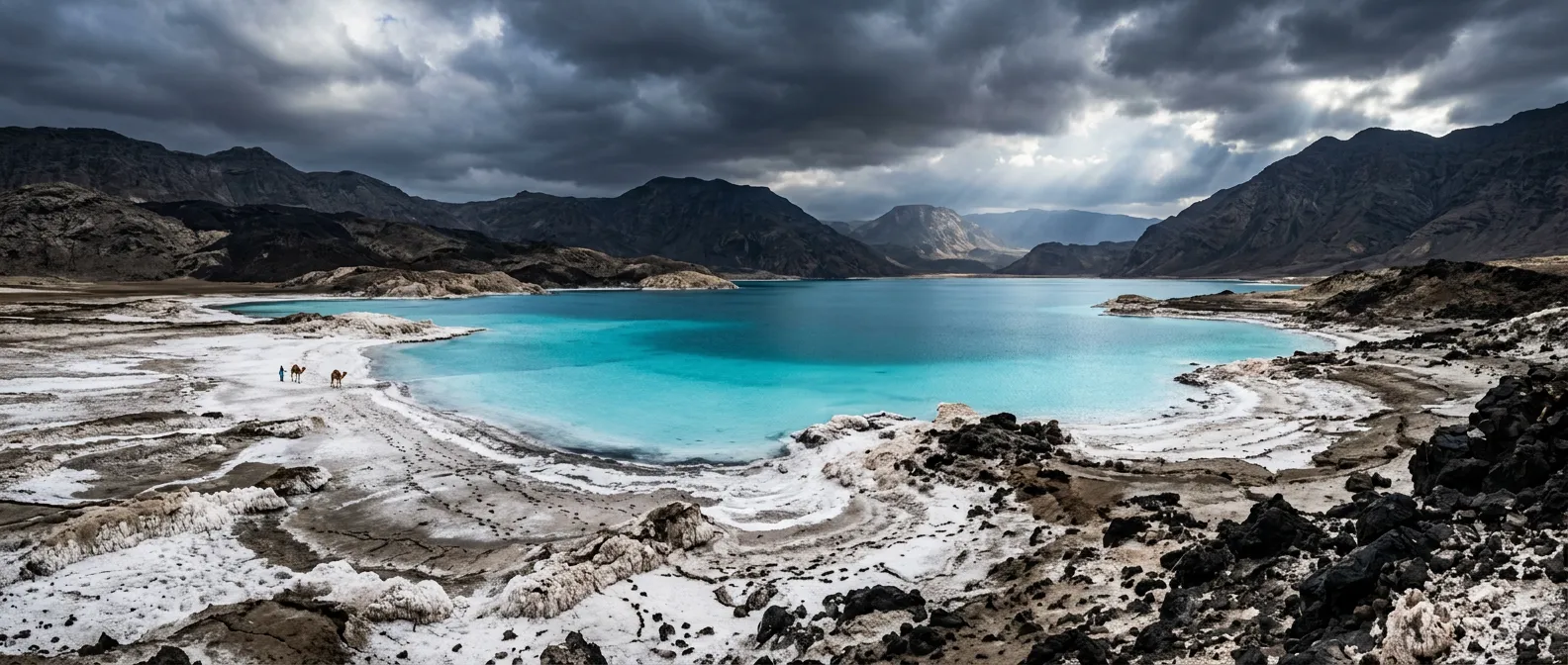
– January-February: Best months for Lake Assal (the lowest point in Africa at -155m) and Lake Abbe, where limestone chimneys create an otherworldly landscape
– December-January: Ideal for trekking in the Day Forest National Park (Forêt du Day), one of the few green areas in Djibouti
March to May – Hot but Manageable
Temperatures climb steadily from 30°C to 38°C. March and early April are still workable, especially for morning activities. April and May bring short rain showers – Djibouti’s primary rainy season (the “Diraac”) – which can make unpaved roads muddy and some areas inaccessible.
Tip: If visiting in this window, schedule outdoor excursions before 10 AM and after 4 PM. The Lac Abbé and Lac Assal tours typically start pre-dawn for this reason.
June to September – Extreme Heat Season
This is when Djibouti becomes one of the hottest places on Earth. Temperatures routinely exceed 45°C (113°F) in inland areas, with coastal zones only marginally cooler at 38-42°C. Humidity spikes, making the heat index dangerous. Most tour operators suspend outdoor activities, and even short walks can cause heat exhaustion.
The brief rainy season (July-August, known as “Karan”) brings sporadic showers but no relief from the heat.
Recommendation: Avoid visiting during these months. If you must travel, stay in air-conditioned accommodations in Djibouti City and limit excursions to the earliest morning hours.
October – Transitional Period
October is a transitional month. Temperatures begin dropping from summer highs (32-36°C), but humidity remains elevated. This can be a budget-friendly time to visit as prices are lower, though conditions are less comfortable than November.
Best Activities by Season
| Activity | Best Months | Why |
|---|---|---|
| Whale Shark Snorkeling | Nov – Jan | Whale sharks migrate to Gulf of Tadjoura |
| Lake Assal Visit | Nov – Feb | Cooler temperatures for the salt desert crossing |
| Lac Abbé & Chimneys | Nov – Feb | Cooler mornings for photography and trekking |
| Day Forest Trekking | Dec – Jan | Greenest period, comfortable hiking temps |
| Scuba Diving (Seven Brothers Islands) | Oct – Feb | Best visibility, calm seas |
| Grand Bara Desert | Nov – Feb only | Extreme heat rest of year |
Djibouti’s Major Events and Festivals
Independence Day – June 27
Djibouti celebrates its independence from France (1977) with parades, cultural performances, and street festivities in Djibouti City. While the heat is intense, the celebrations offer a unique cultural experience.
Ramadan and Eid al-Fitr
Dates vary each year (based on the Islamic lunar calendar). During Ramadan, many restaurants close during the day, and business hours shift. Eid celebrations are vibrant – families gather, and the city comes alive at night. Plan dining and logistics accordingly.
Whale Shark Festival – December
An informal but growing tourism event centered on whale shark encounters in the Gulf of Tadjoura near Arta Beach. Dive operators and tour companies offer special packages.
The Djibouti International Marathon
Occasionally held in the cooler months (December-January), this event draws regional runners and offers a rare chance to participate in organized athletics in Djibouti.
What to Pack by Season
| Season | Essentials |
|---|---|
| Nov – Feb | Light layers, reef-safe sunscreen, snorkeling gear, sturdy walking shoes |
| Mar – May | Sun hat, SPF 50+, extra water bottles, waterproof jacket (for April showers) |
| Jun – Sep | Heat-reflective clothing, electrolytes, cooling towel – or avoid entirely |
| Oct | Light breathable fabrics, insect repellent, sunscreen |
Should You Visit During Off-Season?
Budget travelers sometimes target the off-season (June-September) for lower hotel rates. Here is an honest assessment:
| Factor | Peak Season (Nov-Feb) | Off-Season (Jun-Sep) |
|---|---|---|
| Comfort | Excellent | Dangerous heat |
| Activities | All available | Most suspended |
| Prices | Higher | 20-40% lower |
| Crowds | Moderate (never crowded) | Virtually empty |
| Safety | Safe | Risk of heat illness |
| Whale sharks | Yes | No |
The verdict: The cost savings do not justify the health risks and severely limited activities. Even budget-conscious travelers should aim for at least the shoulder months (October or March) rather than peak summer.
FAQs About the Best Time to Visit Djibouti
What is the hottest month in Djibouti?
July is typically the hottest month, with average highs of 41-45°C (106-113°F) in Djibouti City and even higher inland. Some desert areas record temperatures above 50°C.
When is whale shark season in Djibouti?
Whale sharks visit the Gulf of Tadjoura from November to January, with peak sightings in December. Snorkeling tours depart from Arta Beach and take about 30 minutes by boat to reach the sharks.
Does it rain in Djibouti?
Rainfall is minimal – under 130 mm per year. The Dirac rainy season (April-May) brings short showers, and the Karan season (July-August) has sporadic rain. Neither significantly impacts travel plans except on unpaved roads.
Is it safe to visit Djibouti in summer?
The extreme heat (45°C+) poses genuine health risks including heat exhaustion and dehydration. Most tour operators suspend desert and outdoor activities from June through September. If you must travel in summer, stay in Djibouti City with air conditioning and limit outdoor time.
Can I visit Lake Assal in summer?
It is not recommended. Lake Assal sits at -155m below sea level in a volcanic crater, making it one of the hottest spots in Djibouti. Summer temperatures there can exceed 50°C. Visit from November to February for a safe and enjoyable experience.
What is the best month to visit Djibouti?
December is widely considered the best single month – temperatures are comfortable (25-28°C), whale sharks are present, all tours operate, and the skies are clear for photography at Lac Abbé and Lac Assal.
Do I need a visa to visit Djibouti?
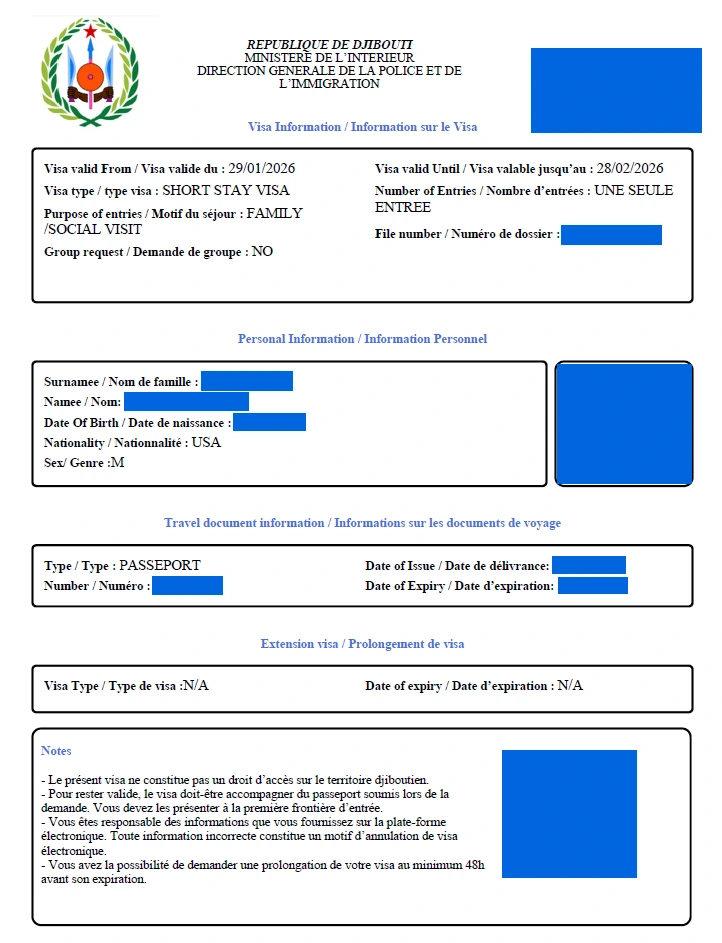
Yes. Most nationalities need a visa to enter Djibouti. The easiest option is the e-Visa, available at evisa.gouv.dj. Processing takes 1-3 business days. You can learn more about Djibouti visa requirements and fees on our site.
Is Djibouti expensive to visit?
Djibouti is moderately expensive by East African standards. Budget $80-150 per day for mid-range travel including accommodation, meals, and a daily excursion. Peak season (Nov-Feb) commands higher prices but the weather advantage is worth it.
Plan Your Trip
Visiting Djibouti during the November to February window gives you the best chance to experience everything this unique destination offers – from swimming alongside whale sharks in the Gulf of Tadjoura to standing at the shores of Lake Assal, the lowest and saltiest point in Africa.
Before you book flights, make sure your visa is in order. The Djibouti e-Visa process is straightforward, and you can check the current fees to budget for your trip.